
“Uniqueness is what makes you the most beautiful”. – Lea Michele, actress
This time of year, so many people feel invisible or overlooked – and it’s a time when we should all try a little harder to truly “see” each other.
Author Stephen Covey once told a story about perspective – in particular, about how the way we see the world can instantly change.
He was riding the subway one morning, reading his newspaper, when a father and his young children got on. The kids ran wild up and down the car, yelling and throwing things. Covey grew frustrated – not just with the children, but with their father, who sat there doing nothing.
Finally, Covey asked the man to get his kids under control. The father looked up and said softly, “You’re right. I suppose I should. We just came from the hospital. . . their mother died about an hour ago.”
In that instant, everything changed. Covey’s perspective – his understanding of that man’s world – shifted completely. The new information made him think differently, feel differently, and act differently.
In my elder law practice, I often see how older adults are treated as though they’re all the same – like “generic” people. But they’re not. Each person carries a lifetime of stories and meaning.
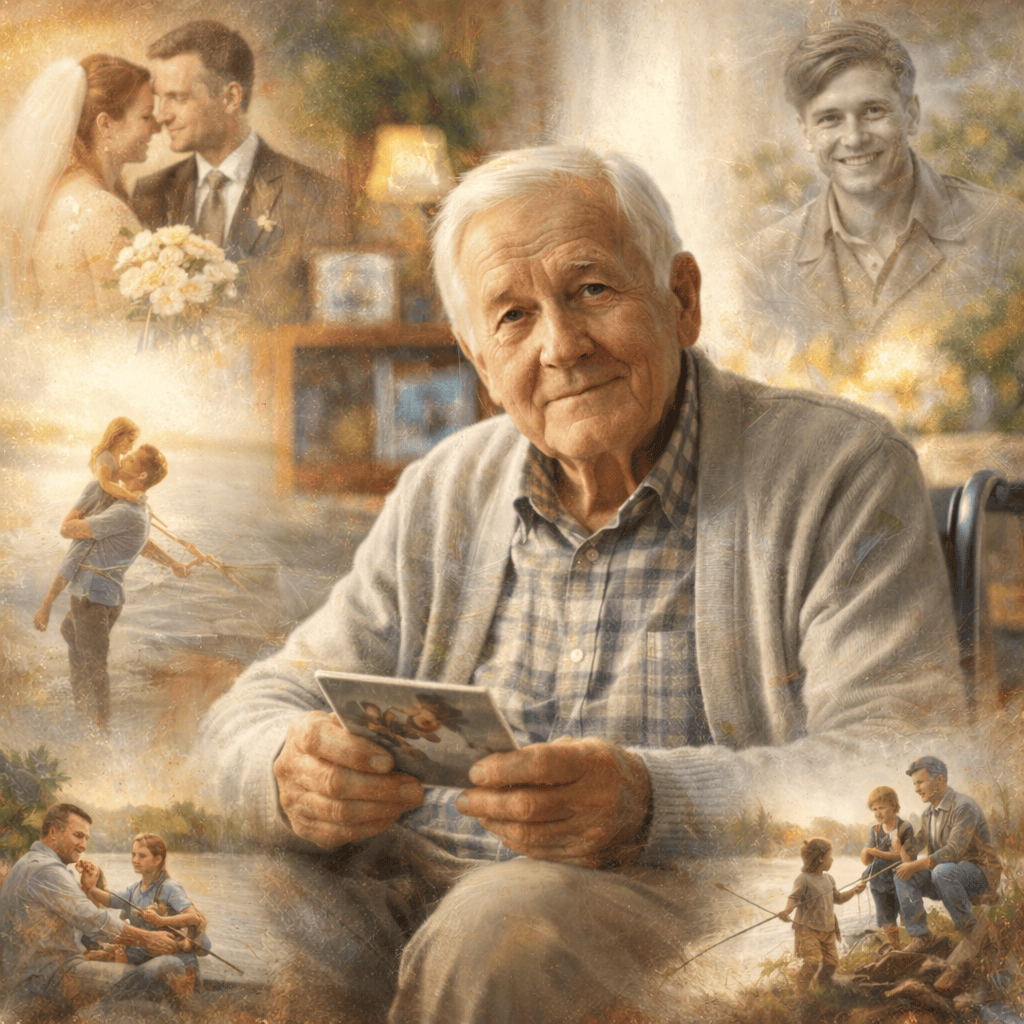
Take Max, for example. He was married to his wife, Sandy, for 64 years.
His eyes still brighten when he talks about his first job and the thrill of opening his first paycheck. He remembers gripping the steering wheel on the way out of the dealership when he bought his first new car.
His smile is so broad that it reaches his eyes when he talks about his first dog, Abby – and he grows quiet as he remembers hugging her as she took her last breath.
He’s proud of earning his college degree – the first in his family. He recalls a road trip to Florida with his college buddies, Stan and Eddie. “I’m the only one left,” he says softly.
Max smiles when he talks about his wife, Sandy, who has been gone for 6 years. He flashes back to their first date, falling in love, dancing in the kitchen, and starting a family.
Max talks about “ice cream dates” with his daughter, and how he told her he wouldn’t cry when he walked her down the aisle. “But I did”, he says, a wry smile creasing his face.
He is somber when he talks about his military service: “Too many didn’t come back”.
He talks about swimming, fishing, and camping with his grandchildren up north, and recalls with pride the top salesman award he earned at his company for five years straight.
I can feel Max’s heart sink as he recounts his health problems that resulted in him moving out of the home he loved after 52 years.
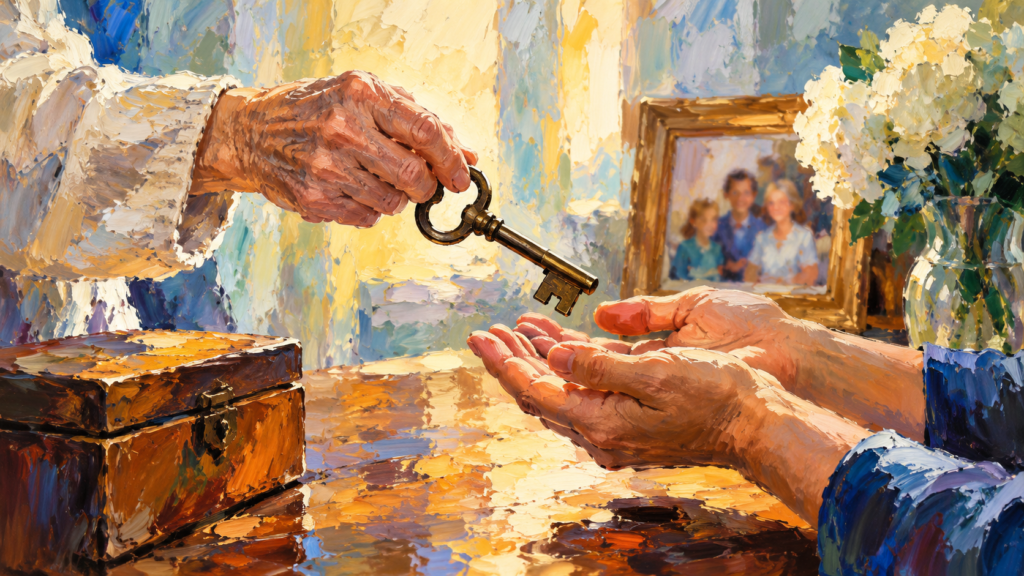
Imagine having your car keys taken away. Or coming to terms with moving out of the home that you built with your own hands.
Today, Max lives in an assisted living community. If you walk past him sitting in his wheelchair, you might see just “another old man.”
He is not. He is unique.
So, the next time you see a “Max,” try to see him through a different lens – he is a person who had parents, a brother, sisters, a daughter, a wife. He has fallen in love, had a broken heart, seen his friends and loved ones die, and still, even today, has hopes and dreams.
When you do, your perspective will change – just as Stephen Covey’s did on that subway. And that shift – that moment of truly seeing – is exactly what every “Max” in this world has earned, and what he deserves.